 9.4
9.4
SnapLock
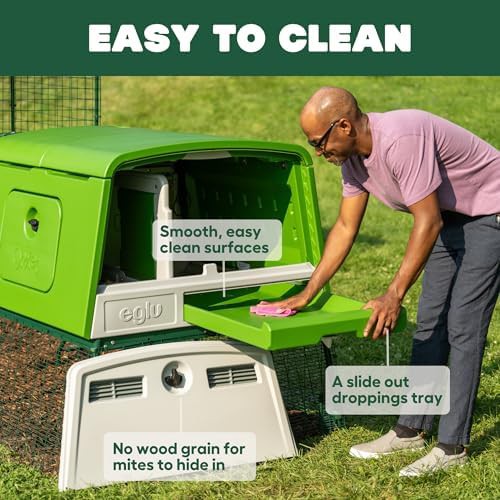
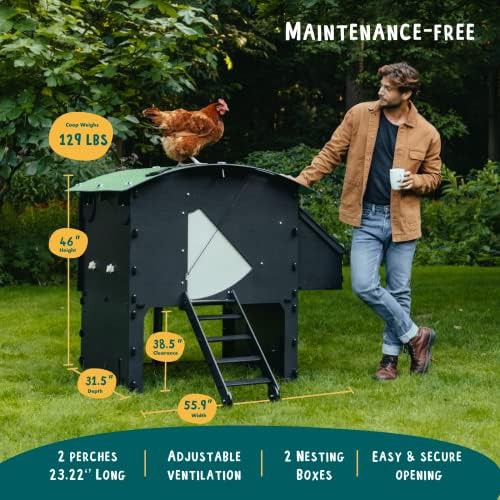
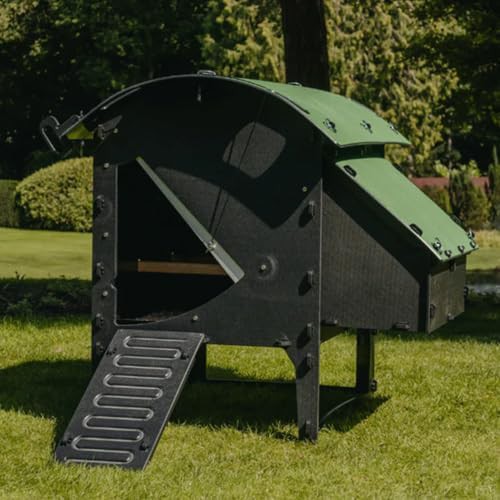
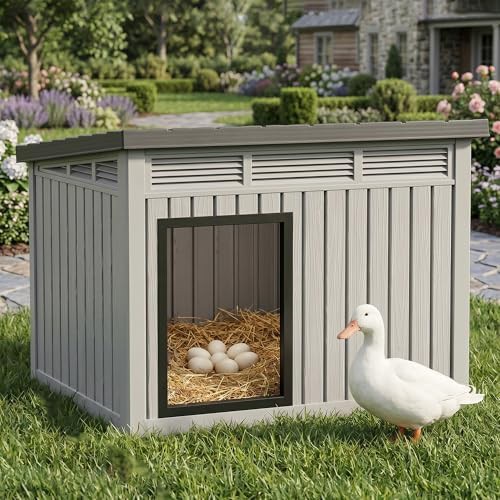
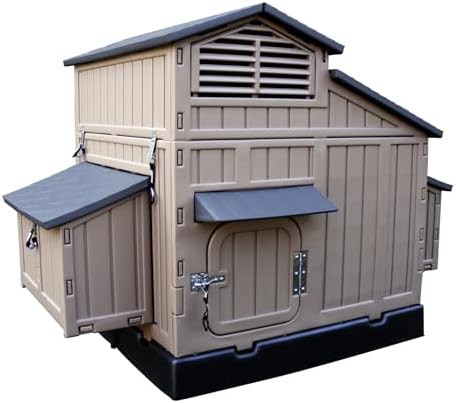
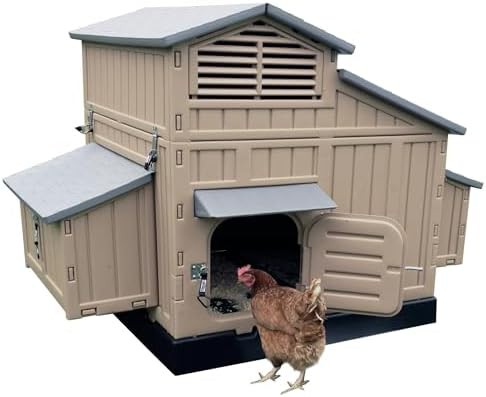
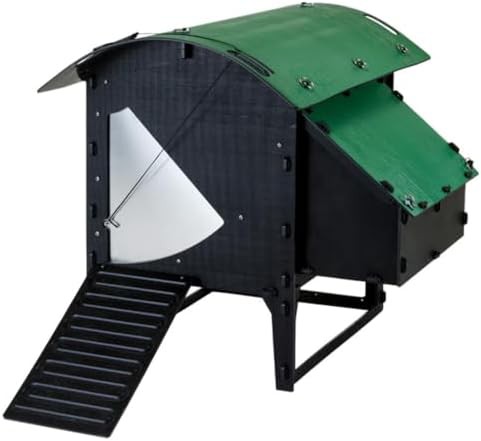
Large plastic hen house with nesting box
$825
Nesting boxes For 4-6 chickens With security locks For 6-10 chickens
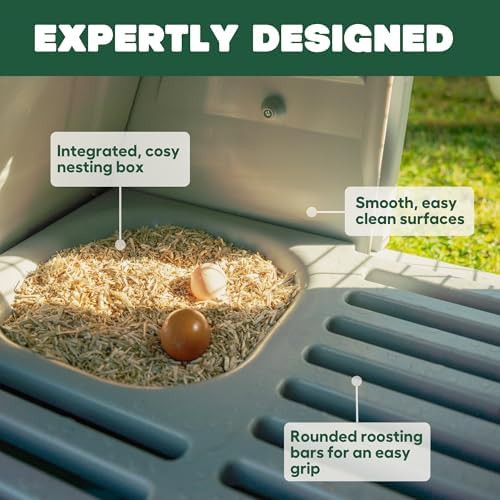
Resin and PP materials that are easy to wash and resistant to rot 42 coops · 28 brands
9.4
Nesting boxes For 4-6 chickens With security locks For 6-10 chickens
 9.3
9.3
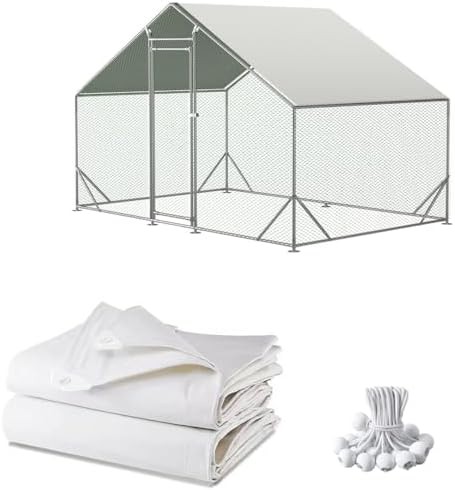
Waterproof Duck coops and houses Affordable
 9.0
9.0
 8.7
8.7
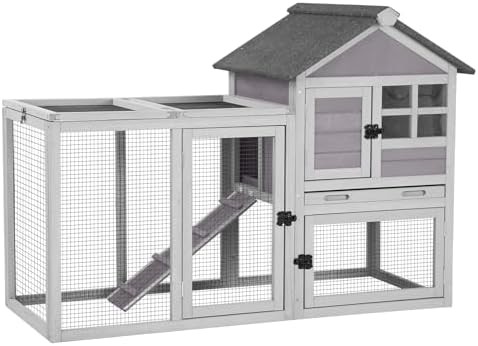 8.5
8.5
Gray Waterproof Rabbit hutches and runs With an attached run With pull-out trays For 2-4 chickens
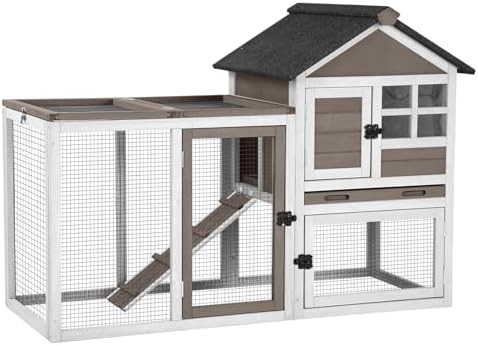 8.5
8.5
Brown Waterproof Rabbit hutches and runs With an attached run With pull-out trays For 2-4 chickens
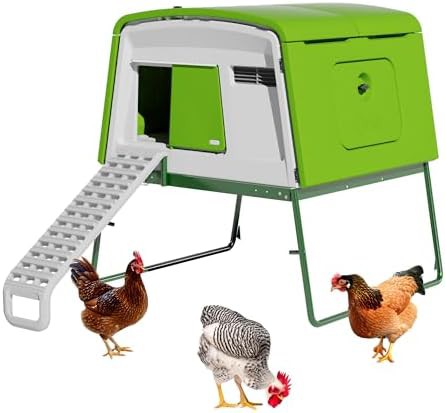 8.4
8.4
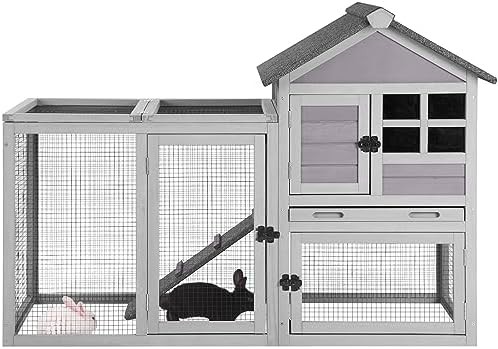 8.4
8.4
Wooden Waterproof Rabbit hutches and runs With pull-out trays Wire mesh enclosures Indoor poultry enclosures
 8.3
8.3
 8.2
8.2
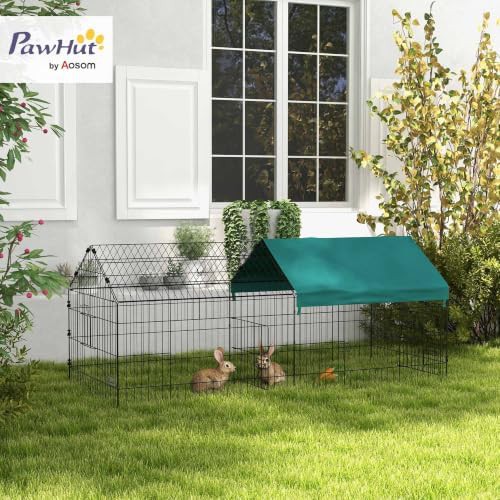
Green Metal Rabbit hutches and runs With security locks Indoor poultry enclosures
 8.1
8.1
 7.9
7.9
Nesting boxes With pull-out trays Roosting perches Chick brooders
 7.4
7.4
 7.3
7.3
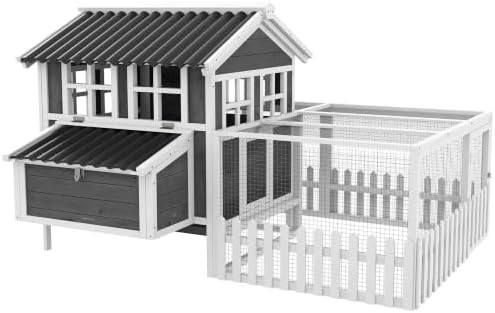
Gray Wooden With an attached run For 2-4 chickens Grey
 6.0
6.0
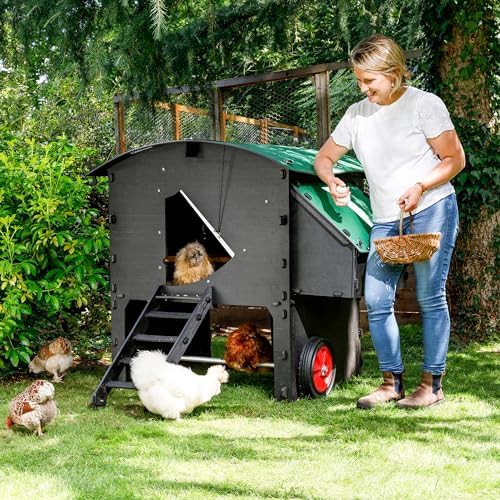
Mobile coops with wheels For 6-10 chickens For 10 or more chickens
 5.0
5.0
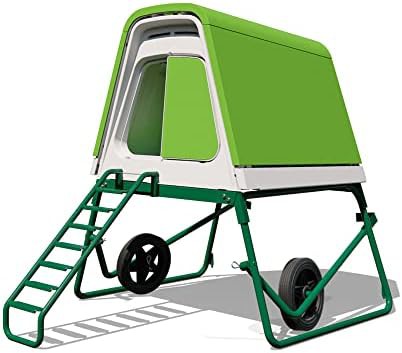
Green Waterproof Mobile coops with wheels For 2-4 chickens
 4.7
4.7
 4.0
4.0
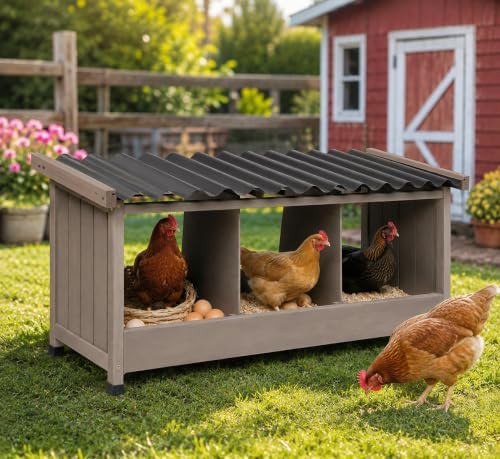
Nesting boxes Wooden Duck coops and houses Indoor poultry enclosures
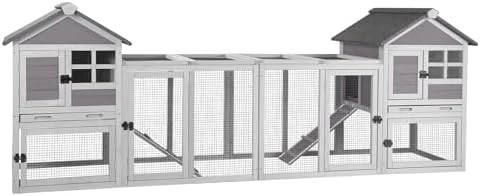
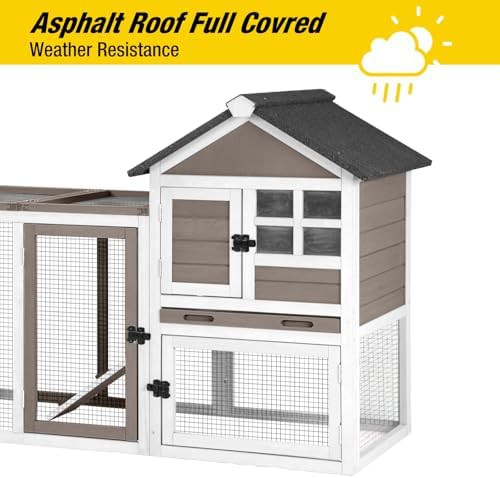
Gray Waterproof Rabbit hutches and runs With an attached run With pull-out trays With asphalt roofs
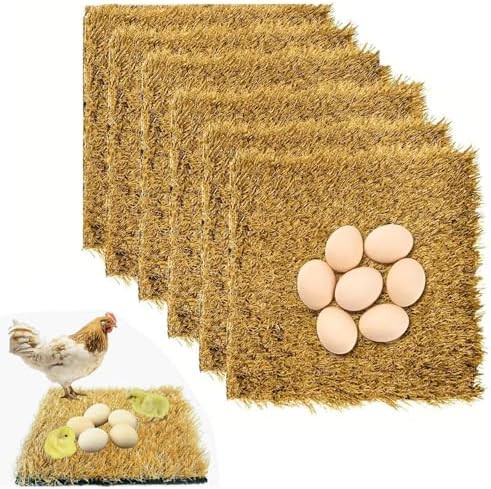
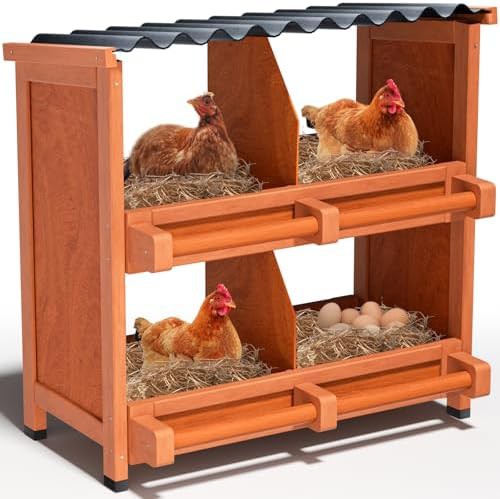
Nesting boxes Wooden Duck coops and houses Affordable
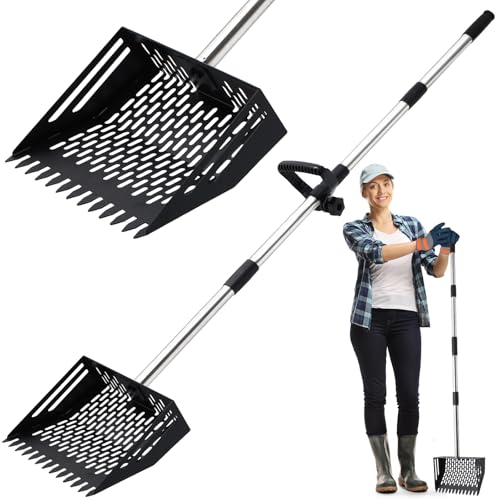
Duck coops and houses Affordable Roosting perches Quail cages Chick brooders
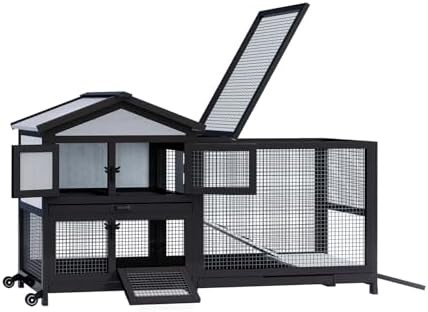
Black Wooden Waterproof Rabbit hutches and runs Mobile coops with wheels With pull-out trays
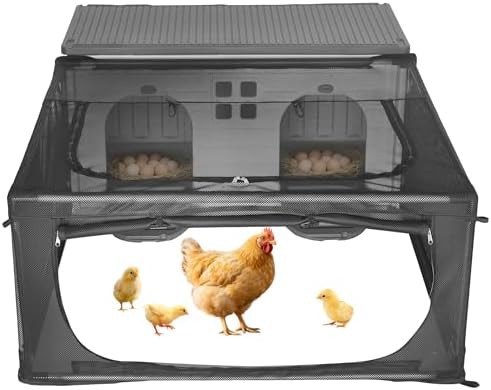
Metal With an attached run For 4-6 chickens Expandable
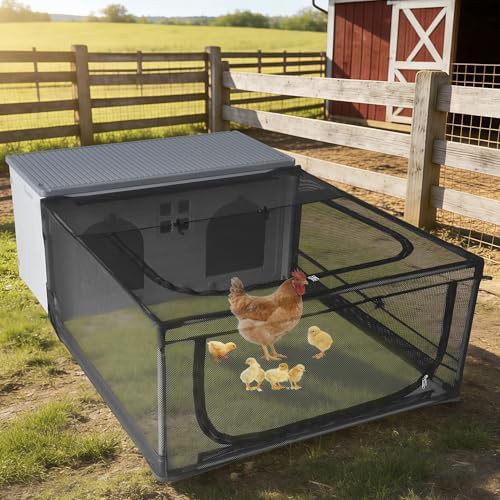
Nesting boxes Metal Rabbit hutches and runs Duck coops and houses With an attached run For 4-6 chickens
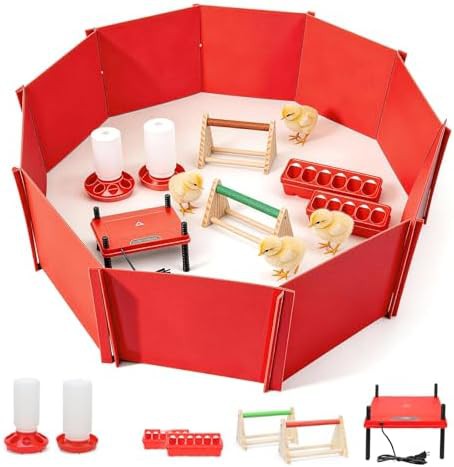
Duck coops and houses Mobile coops with wheels Affordable Roosting perches Quail cages
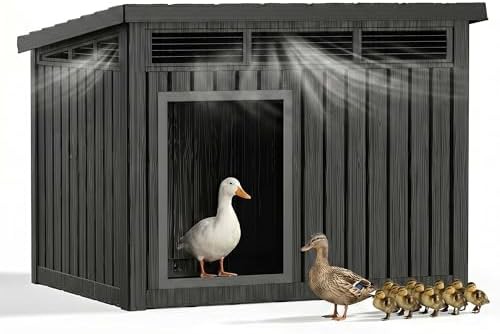
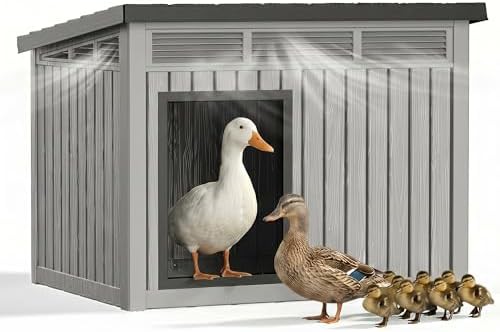
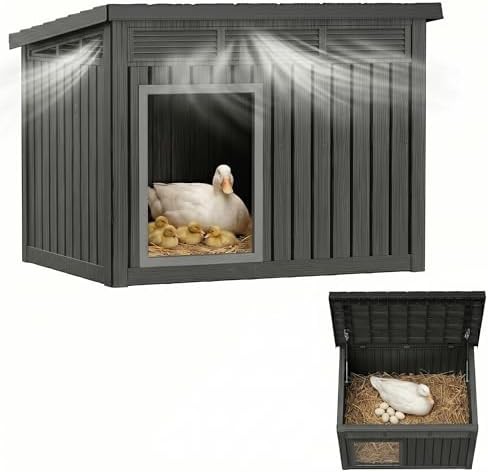
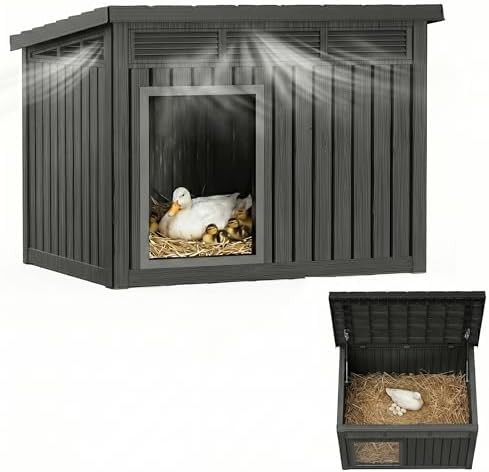
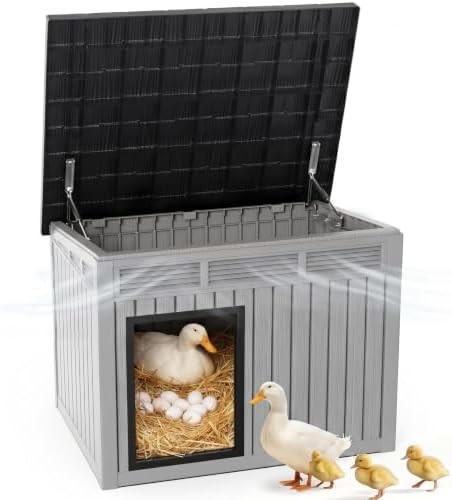
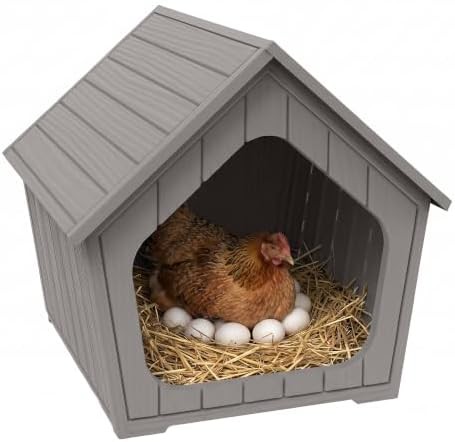
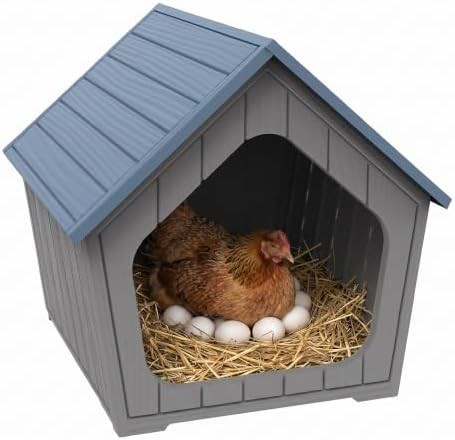
2-4 chickens 4-6 chickens 6-10 chickens Black Affordable Duck coops and houses
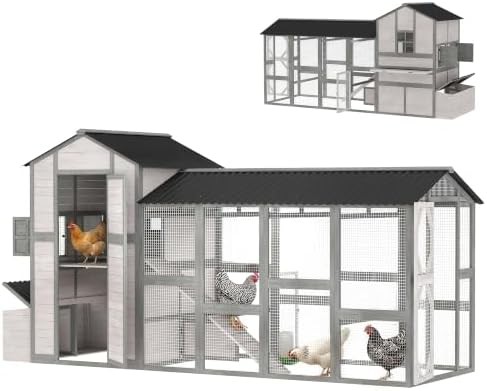
Gray Wooden Rabbit hutches and runs Duck coops and houses With an attached run Grey
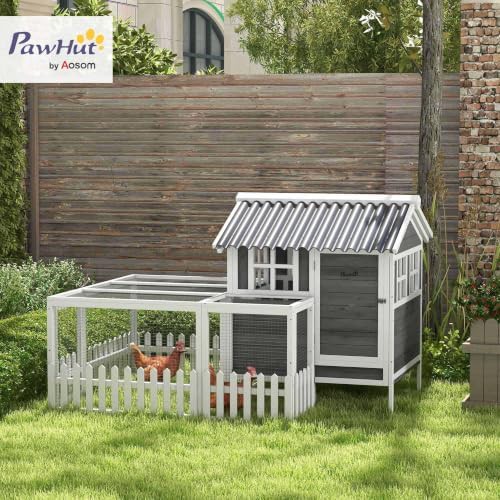
Plastic appears on rabbit hutch and chicken coop hybrids with pull-out upper trays. These units use resin or PP panels for floors, trays, and some wall sections. Sizes include 51.6 inch and 103.2 inch lengths, with one or two sets stacked. Colors observed are brown, grey, green, black, blue, and red.
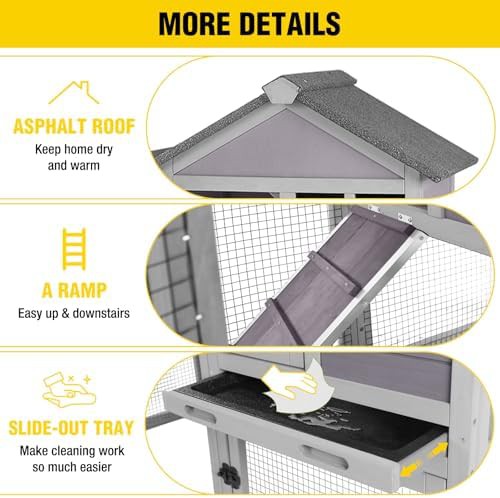
Plastic trays and panels wipe clean and do not absorb moisture like bare wood. They resist rot and swelling at the floor and tray level. Hosing out the interior is possible on models with removable plastic components. Asphalt roofs and wooden frames still require normal outdoor care.
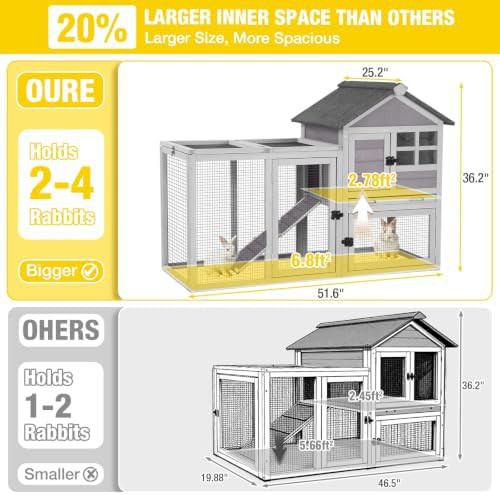
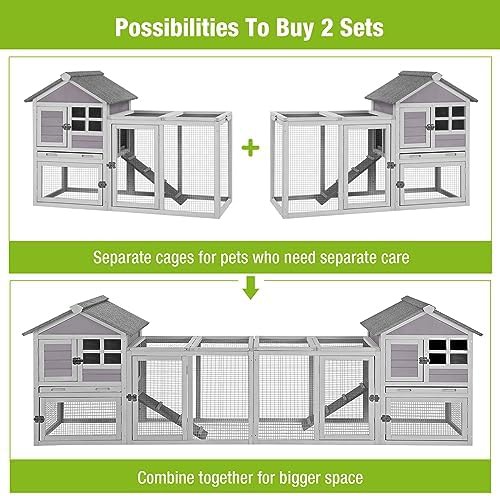
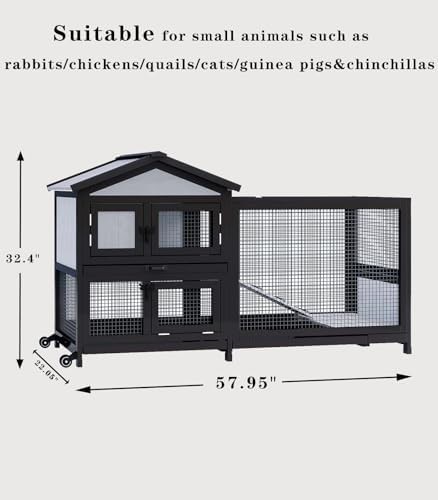
The 51.6 inch length appears as a single-set hutch or coop with run. The 103.2 inch length appears as a two-set stacked configuration. Heights reach 36.2 inches on the smaller units. Widths are 25.2 inches across the observed samples.
Wood coops need repainting or resealing; plastic trays and panels do not. Metal coops conduct heat and cold more than plastic or wood. Plastic components can crack under impact in freezing temperatures. Wood remains heavier and more rigid than plastic panels of similar thickness.
Plastic panels do not absorb heat like metal, but they can warm in direct sun. Shade and ventilation matter more than panel material. Asphalt roofs on these units add another heat layer.
Trays and panels are the plastic components most likely to crack from impact or cold. Replacement depends on the specific model and maker. Wooden frames and roofs are separate from the plastic parts.
Plastic trays and panels are lighter than solid wood sections. The wooden frame and roof still carry most of the weight. Mobile models with wheels reduce lifting, but stationary plastic coops stay in place.
The samples show rabbit, guinea pig, and chicken use in the same plastic-tray forms. Some units are labeled for chickens specifically. Size and nesting box count determine how many animals fit.